On Friday the 13th, my wife and I landed in Los Angeles, grabbed our rental car, and began driving up the freeway to see our grandson. Instantly, we received text messages asking if we were OK, if we were still on a jet. We hadn’t yet heard the FAA had just put a ground stop on all flights. This was only the beginning of the story. In a mere week, we’ve all heard:
November 12 – There was a Microsoft outage
November 13 – There was a nationwide FAA ground stop
November 16 – There were major bank disruptions and a United Airlines outage
November 17 – There was an internal network shutdown at the NSA
November 18 – There was an outage at Apple iCloud
What’s next? Time will tell. I believe we should expect shutdowns to continue. Speculation as to why it’s happening spread as fast as the outages did. Secretary of State Marco Rubio assured Americans that the government saw no connection between the outages and a cyber-attack. Hmmm. So, if it’s not an attack, what could be the cause?
As I survey the reports, I see an external and an internal issue we must address.
External Issues Are About Technology Changes
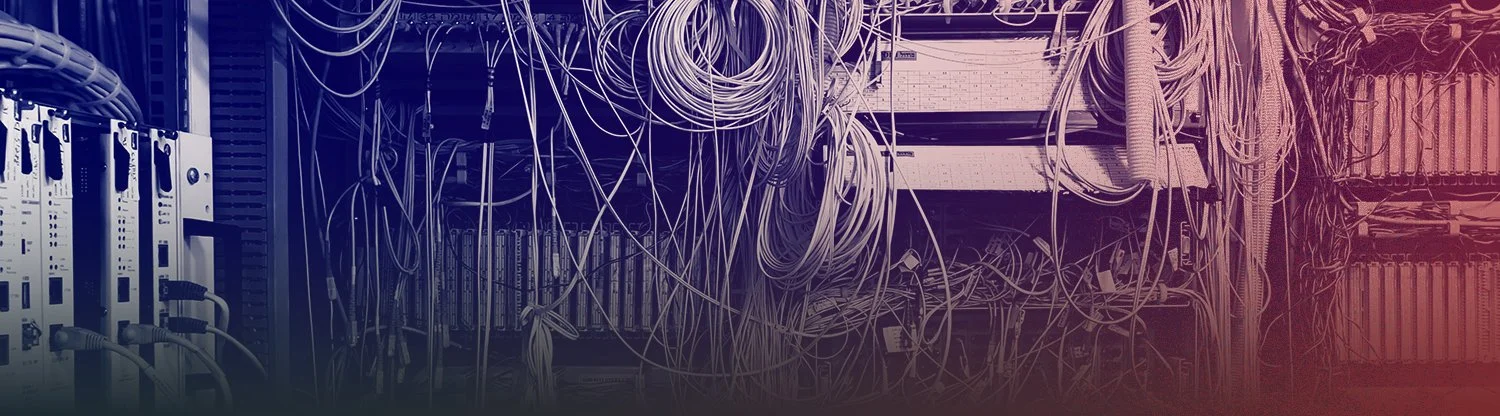
First, the external issue is clear. In nearly every case, a system was being updated when a glitch occurred. As companies modernize and update technology, they’re adding new AI systems to older systems—which makes those systems vulnerable. Because we are all worried about hacks, we write a scarcity narrative and try to upgrade our systems. We feel the pressure to “AI everything,” which means we’re rolling out AI on top of older, brittle infrastructure that can’t support it. In short, too often we make screwy updates.
According to Nicole Perlroth:
“All this creates enormous pressure to compress patching Windows and accelerate software updates, increasing the likelihood these fixes break things in unexpected, cascading ways.”
When change happens quickly, people and organizations become vulnerable. For years, I have followed the “20 Percent Rule.” People and systems can handle about 20 percent change per year, and that change is led by about 20 percent of the people. Too much, too fast can cause breakdowns in both people and systems. We’ve certainly witnessed this.
Internal Issues Are About the Human Appetite
The issue I don’t hear enough people talking about is the human heart. Part of what makes predicting the future is the sporadic nature of the human psyche. Here’s what I observe:
Companies don’t want to fall behind their competition in upgrades.
Feeling behind, leaders demand their teams make the upgrades now.
Sadly, we normalize defects—we patch things up rather than make things right.
Leaders, boards, and other stakeholders have an appetite for growth and revenue, which drives them to make rapid decisions. Those decisions, however, are often reactions. We’re reactive, not proactive. Our lust for position in the market, power over others, and profits in the fourth quarter push us toward growth rather than health. That’s when we become vulnerable. The growth is artificial because it’s induced from the outside in. Allow me to be blunt: we lust for progress. Obviously, progress is good, but when it’s driven by an unhealthy appetite to grow at any cost, mistakes will be made. Healthy things naturally grow, but it usually takes time.
Two Ideas to Make Healthy Progress
So, let me marry these external and internal issues and offer an idea.
First, leaders must look ahead and anticipate where culture is going. This is risky because none of us are completely sure what the future holds. But some evolutions are obvious. Instead of waiting, then making rapid and risky changes, we get ahead of the “Sigmoid Curve,” Charles Handy taught us about decades ago, and make changes before they’re obvious to everyone. This is hard because others will distrust and suspect the worst. But we are not changing enough, and in time. The best leaders see what’s coming before others do and respond early, in a steady (not rushed) manner. This can prevent at least some of the glitches we’ve witnessed.
Second, leaders must convince stakeholders and team members that slow and steady growth is healthy growth. The tortoise beat the hare, remember? For me, 20 percent change per year has been a healthy pace. Our growth has been an evolution, not a revolution. I can’t speak for the restaurant chain Chick-fil-A, but I expect my friends there would say the same. Founder Truett Cathy worked on getting better, not bigger. He knew if they got better, their customers would ensure they got bigger. And they have. I’ve watched this company grow from less than a billion dollars a year in 1999 to $22.7 billion in system-wide sales in 2024. Their overnight success took decades. Slow and steady. Healthy, not hasty.
If we’re good at preparing, we won’t need repairing.
Subscribe to future articles from Tim.
Book Tim for an event.