
Books
Tim Elmore has authored more than 40 books on leadership.
All of Tim’s books are available for purchase on Amazon
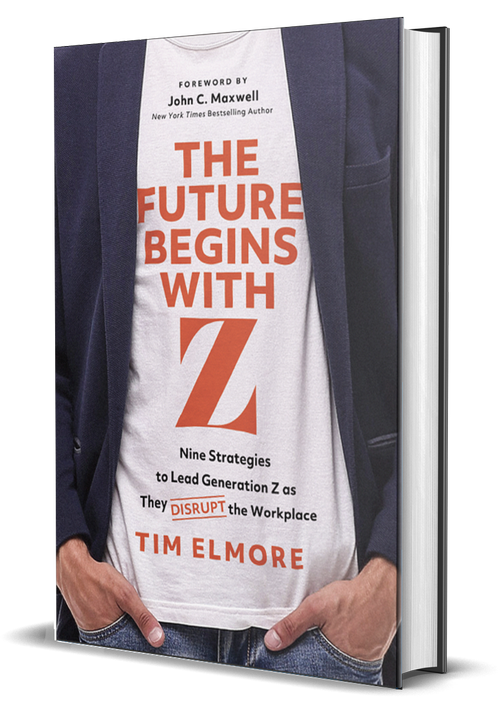
The Future Begins with Z
Nine Strategies to Lead Generation Z as They Disrupt the Workplace
“A definitive guide to engaging with members of Gen Z in the workplace.” —Publishers Weekly
What if your greatest challenge could become your greatest solution?
Generation Z has entered the workforce and are challenging leaders in ways they have never experienced before. Gen Zers often bring little work experience following college graduation, with parents encouraging them to focus on academics. Plus, having grown up on screens, they frequently bring lower levels of emotional intelligence than previous youth generations.
Today, 4 in 5 hiring managers say Generation Z is the most difficult population to manage. Almost one in three avoid hiring them altogether. We cannot walk away from this challenge as these young teammates represent the future. While the boss has visibility on the past, they have visibility on the future. This resource, The Future Begins with Z, offers nine strategies to inspire and connect with the next generation of workers as they transform the workforce.
Some of those strategies involve:
How to attract and onboard them so they'll want to stay.
How to offer firm feedback to a fragile young employee.
How to uniquely motivate and incentivize them.
How to cultivate full engagement in Gen Z teammates.
How to equip them to manage their mental health challenges.
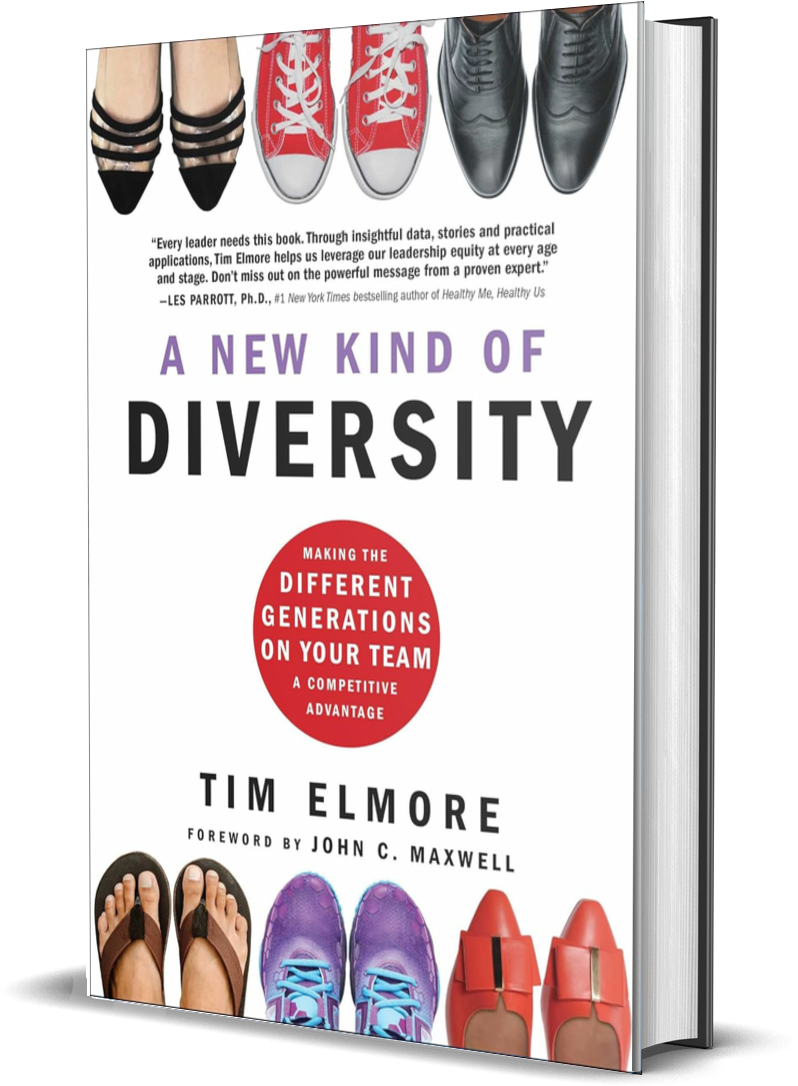
A New Kind of Diversity
Making the Different Generations on Your Team a Competitive Advantage
The past few years have brought an endless cascade of social media movements that left many of us . . . well . . . scratching our heads. Regardless of how we feel about the gaps between us, there is one we cannot avoid. One of the largest gaps remains an “elephant in the room.” We know it's there but we don't know how to talk about it.
It's the different generations that find themselves working together. It's a generation gap.
There is a new kind of diversity that only eight percent of U.S. companies even recognize: diverse generations on teams.
Long laughed off as a cliché and more recently mocked in memes #HowToConfuseMillennials and #OKBoomer hashtags, the generational gap has become an undeniable tension in the global workplace. Sadly, it has fostered:
Loneliness in our workplaces.
Poor communication on our teams.
Reduction in revenue and team morale.
Conflicting values and priorities in the office.
Divisions that lead to “walls” instead of “bridges.”
For the first time in history, up to five generations find themselves working alongside each other in a typical company. The result? There can be division. Interactions between people from different generations can resemble a cross-cultural relationship. Both usually possess different values and customs. At times, each generation is literally speaking a different language!
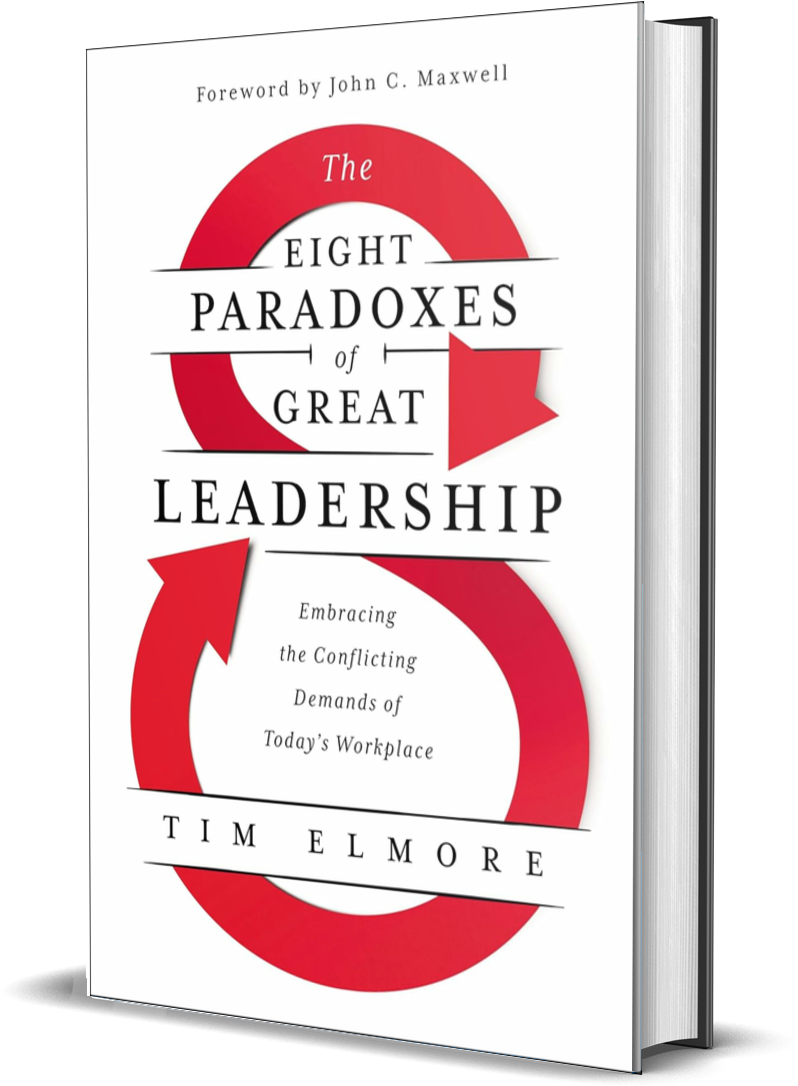
The Eight Paradoxes of Great Leadership
Embracing the Conflicting Demands of Today’s Workplace
Become a next generation leader—rich in emotional and social intelligence and orchestrating outstanding collaborative results—by mastering these eight status quo-shattering paradoxes.
The Eight Paradoxes of Great Leadership unpacks the fresh strategies and new mindset required today from a next generation leader.
Having trained hundreds of thousands of young professionals to develop into leaders—Dr. Elmore shares the secrets of next generation leaders who have practiced the unique paradoxes outlined in this book and inspired their team members in a way that a paycheck never could.
In The Eight Paradoxes of Great Leadership, readers will:
Learn how today’s team members require a combination of different qualities from their leaders than they did in even the recent past;
Grasp the importance of eight key paradoxes that are critical for next generation leaders to put into practice right now;
Be inspired by historic and modern-day leaders who lived the eight paradoxes; and
Understand how they too can lead with the eight paradoxes, guiding them to emotional and social intelligence that resonates with their teams and leads to outstanding collaborative results.
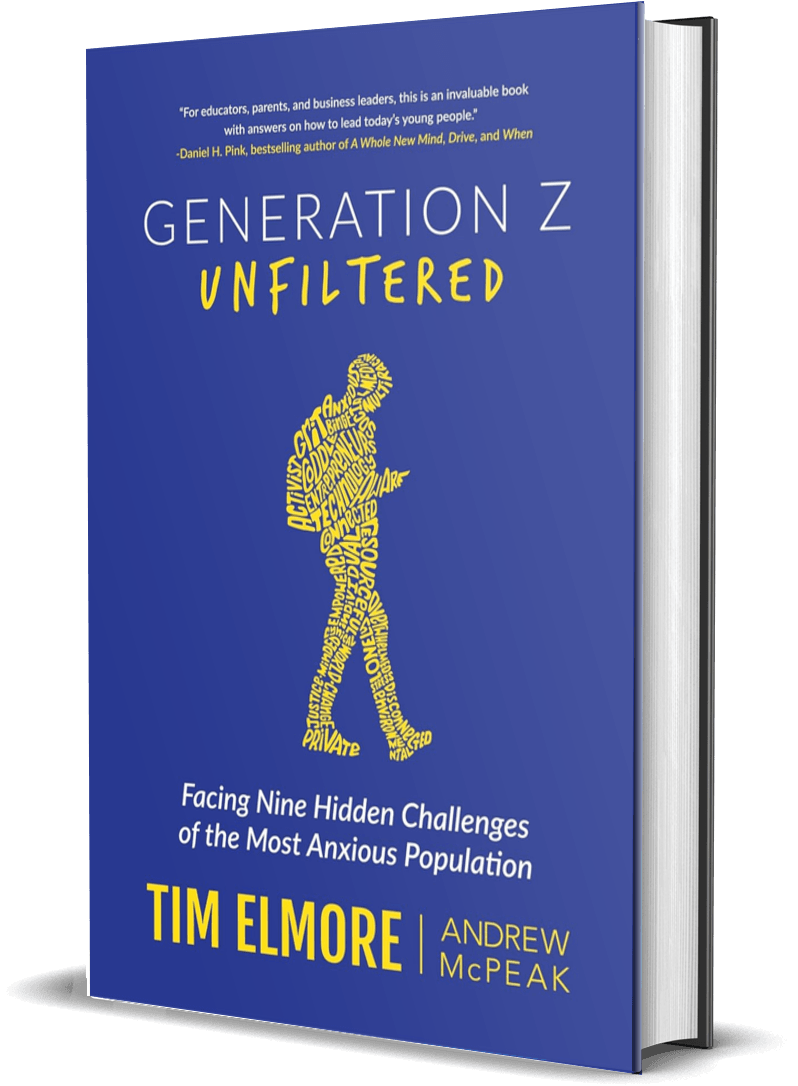
Generation Z Unfiltered
Facing Nine Hidden Challenges of the Most Anxious Population
This generation of students who have grown up in the 21st century are the most social, the most empowered, and also the most anxious youth population in human history.
If you are struggling to connect with and lead them, you are not alone. The latest research presented in this book, however, illuminates a surprising reality:
The success of the next generation doesn’t depend entirely on them.
Their best chance of success starts when adults choose to believe in them, challenge them, and walk with them through the nine greatest challenges today’s youth will face.
For their sake, and for the future success of our world, it’s time we started seeing Generation Z—unfiltered.
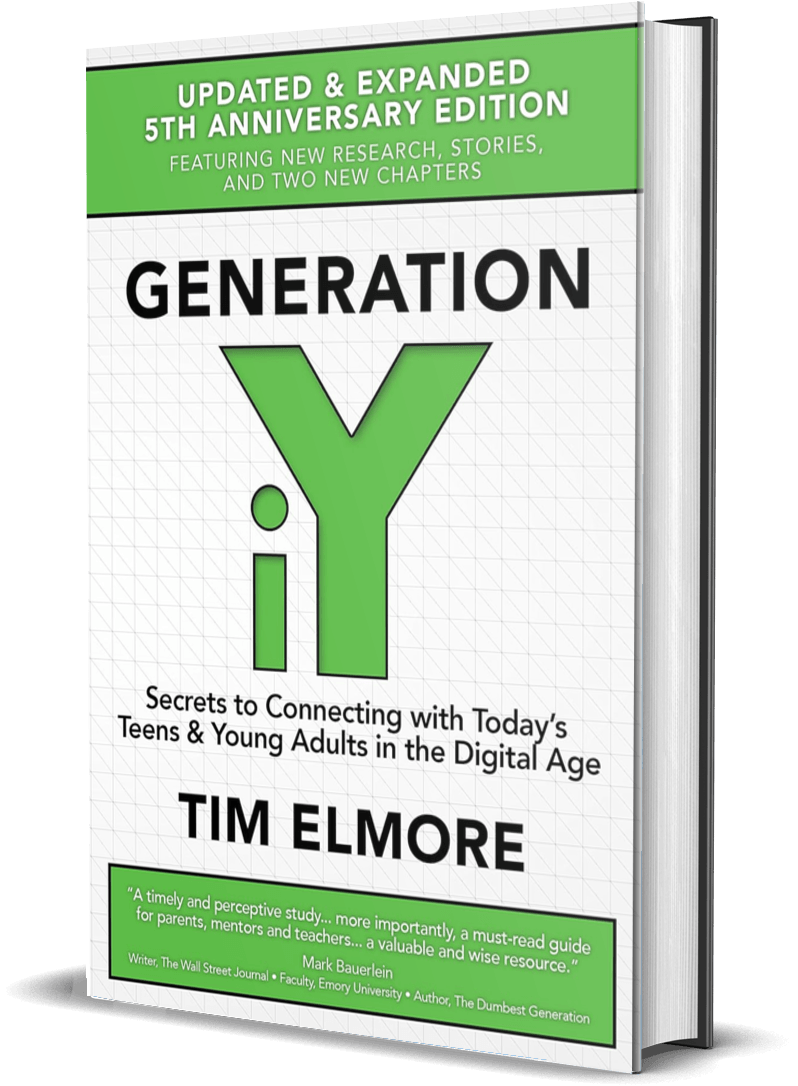
Generation iY
Secrets to Connecting With Today’s Teens & Young Adults in the Digital Age
The one book every parent, educator, coach, and youth worker should read.
Over 100,000 adults have benefitted from Tim Elmore's insights in this landmark book, which has been updated and expanded to include new research, stories, practical solutions, and two bonus chapters to help adults connect with today's teens and young adults.
Generation iY helps adults:
Guide unprepared adolescents and at-risk kids to productive adulthood
Guide them toward real success instead of superficial "self-esteem"
Adopt education strategies that engage (instead of bore) an "I" generation
Employ their strengths and work with their weaknesses on the job
Understand the generation following Millennials: Generation Z
It is no longer accurate to refer to Generation Y as one collective demographic. The Millennials born after 1990 are a whole new batch of students. We call them Generation iY because their life is dominated by the iPhone, the iPod, iTunes, etc. They've been identified as the Digital Generation, Mosaics, Techies, Millennials and Screenagers. They are the talk of Human Resource professionals and newspaper journalists, they are the prize of their parents, and they are the market share every retailer covets. They are the kids born between 1990 and 2002 and are part of the largest generation in our history. The older you are, the more you'll feel like an immigrant among natives with this new generation. They've shifted from our Gutenberg era into their own Google era. Their bias is for action and interaction. We have the privilege of shaping their future.